Purpose This study aimed to identify key predictive factors influencing adherence to physical exercise rehabilitation among adults during the first three months following a first-onset ischemic stroke in China. Methods: A cross-sectional descriptive study was conducted among 137 adults who attended clinical follow-up appointments within the first three months after experiencing a first-onset ischemic stroke. Predictors included family support, coping with role transition, depression, self-efficacy, and body image. Hierarchical multiple regression analysis was performed. Results: The mean adherence score for physical exercise rehabilitation was 39.58 (standard deviation=6.71), indicating a moderate adherence level (70.6%). In model 1, male sex (β=.20, p=.017) and post-stroke duration of 2 months (β=.31, p=.015) and 3 months (β=.39, p=.002) were significant predictors of adherence to physical exercise rehabilitation. Adding main predictors in model 2 resulted in a significant increase in explained variance (ΔR²=.418, p<.001), accounting for 51.5% of the total variance (R²=.515, adjusted R²=.484). Male sex (β=.15, p=.017), family support (β=.43, p<.001), self-efficacy (β=.26, p<.001), depression (β=–.24, p=.001), and coping with role transition (β=.16, p=.033) were significant predictors. Body image and post-stroke duration were not significant after adjustment. Conclusion: Efforts to promote adherence to physical exercise rehabilitation should prioritize family support, depressive symptoms, self-efficacy, and coping with role transition. Furthermore, body image may warrant attention when developing sex-specific intervention strategies.
Purpose This study evaluated the effectiveness of an intervention combining the abdominal draw-in maneuver (ADIM) and body mechanics for nurses with chronic low back pain (LBP).
Methods A non-equivalent control group pretest-posttest design was used, with data collected from August 30 to December 29, 2023. Participants were nurses experiencing chronic LBP (≥3 months) from a university hospital. Participants were allocated by ward units, with the experimental group (n=30) enrolled first, followed by the control group (n=30). The experimental group received ADIM and body mechanics training, performed ADIM exercises three times weekly for 6 weeks, and received daily text reminders. Exercise adherence and body mechanics usage were monitored weekly. The control group received educational materials upon request after study completion. Outcomes included LBP intensity, LBP disability, lumbar flexibility, and body mechanics performance, analyzed using SPSS version 27.0 through descriptive statistics, the chi-squared test, the Fisher exact tests, the independent t-test, the Mann-Whitney U test, and analysis of covariance.
Results Compared to the control group, the experimental group showed significant reductions in LBP intensity (Z=4.65, p<.001) and LBP disability (F=7.04, p=.010), as well as improvements in lumbar flexibility (t=6.15, p<.001) and body mechanics performance (t=6.91, p<.001).
Conclusion The intervention effectively alleviated LBP, reduced disability due to LBP, and improved lumbar flexibility and body mechanics performance. Thus, integrating ADIM with body mechanics may represent a practical and beneficial approach for reducing pain and enhancing functional outcomes among nurses experiencing chronic LBP in clinical settings.
Purpose This study examined the relationships of health literacy, physical activity, and grip strength with self-care compliance in older male patients with chronic heart failure. Methods A cross-sectional descriptive was conducted, and 106 older male outpatients with chronic HF were recruited from a veterans’ hospital in Seoul. Data were collected from February 7, 2022 to April 10, 2022 using a self-reported questionnaire and were analyzed using SPSS/WIN 23.0. Results The average age of the participants was 76.3±4.5 years, and the average time elapsed since the heart failure diagnosis was 3.22±2.01 years. The mean self-care compliance score was 42.21±6.03 out of 60 points.
In the univariate analysis, grip strength was not significantly correlated with self-care compliance. The hierarchical regression analysis indicated that health literacy (β=.33, p<.001), physical activity (β=.32, p=.001), and alcohol drinking (β=-.28, p=.001) had statistically significant effects on self-care compliance, collectively explaining 34% of the variance (adjusted R2 =.34, F=12.00, p<.001). Conclusion The study highlights the necessity of periodically assessing and considering health literacy and the level of physical activity when developing educational strategies to promote self-care compliance among older male patients with heart failure in outpatient nursing practice.
Citations
Citations to this article as recorded by
Relationship between health literacy and self-care among patients with chronic heart failure Amal S. Abdel-Aal, Hanan A.-K. Hassan, Ayman E. Omran, Mishmisha E.-S. Ibrahim Egyptian Nursing Journal.2025; 22(3): 273. CrossRef
Purpose This study was conducted to investigate the moderating effect of physical activity on the relationship between perceived stress and depression in patients newly diagnosed with ischemic heart disease.
Methods: This study had a cross-sectional design. Data were collected using a structured self-report questionnaire, which covered demographic characteristics, perceived stress, depression, and physical activity. Multiple linear regression was used to determine whether perceived stress and physical activity influenced depression, after controlling for demographic characteristics. The moderating effect of physical activity on the relationship between perceived stress and depression was analyzed using model 1 of the PROCESS macro (bootstrap sample size=5,000).
Results: The findings revealed that the level of depression was higher in women (p=.003), individuals without a spouse (p=.004), and those with an average monthly income of less than 3 million won (p=.045). The regression results showed that perceived stress was associated with a significant increase in the level of depression (β=.53, p<.001), and low physical activity was also a significant predictor of depression (β=.16, p=.013). The moderating effect of physical activity on the relationship between perceived stress and depression was confirmed, indicating that when physical activity was high, the impact of perceived stress on depression was weaker than when physical activity was low (B=-0.37, p=.038).
Conclusion: The findings suggest the need to implement a nursing program that can enhance physical activity and early screening for stress and depression in patients with ischemic heart disease.
Citations
Citations to this article as recorded by
Weekly Walking Attenuates the Association Between Frailty and Depressive Symptoms in Patients With Rheumatoid Arthritis Wonhee Baek, Ji Yea Lee, Ari Min, Chang Gi Park, Minkyung Kang Research in Nursing & Health.2026; 49(3): 283. CrossRef
Purpose This study's purpose was to identify the relationship between daily vitamin intake and blood glucose in cancer patients undergoing chemotherapy and identify factors affecting blood glucose. Methods This descriptive study included 134 cancer patients undergoing chemotherapy at a university hospital. Data were analyzed with descriptive statistics, independent T-test, one-way analysis of variance, Pearson's correlation coefficients, and stepwise multiple regression analysis using SPSS/WIN 27.0 version. Results The average blood glucose of the subjects was 128.13±37.34 mg/dL and 30.6% of the subjects had readings of over 140 mg/dL. Blood glucose varied significantly by sex, age, education level, exercise frequency, and comorbidity. Vitamins A, E, and C, thiamin, riboflavin, niacin, vitamin B6, folate, and biotin were negatively correlated with blood glucose. Factors affecting blood glucose were exercising 7 times a week (β=-.61, p<.001), 4 to 6 times a week (β=-.41, p<.001), 1 to 3 times a week (β=-.38, p<.001), age (β=.18, p=.016), and vitamin A intake (β=-.16, p<.043), with a total explanatory power of approximately 31.5%. Conclusion Nurses should provide patients undergoing chemotherapy with lifestyle interventions including exercise at least 3 days a week and appropriate vitamin A intake, especially for older patients, to prevent hyperglycemia.
Purpose Patients with heart failure report low levels of physical activity and quality of life, both of which are important predictors of patient prognosis. This study aimed to investigate the effects of nurse-led motivational interviewing on self-efficacy for exercise, engagement in regular exercise, exercise capacity, and quality of life among patients with heart failure. Methods A randomized controlled trial design was used, and 66 Korean participants (i.e., 38 in a control group and 28 in an intervention group) aged 40~80 years who were diagnosed with heart failure were recruited between May 2012 and September 2013. The intervention group received telephone-based motivational interviews twice a week for one month. All participants were assessed for exercise regularity, levels of exercise, exercise capacity, and quality of life at baseline, one month, and three months. The data were analyzed using independent t-tests, repeated measures ANOVA, and nonparametric tests. Results At one month, there were significant group differences in exercise regularity (x2 =6.10, p=.013) and levels of exercise (Z=-2.56, p=.024). There was a significant group-by-time effect on the quality of life (F=3.76, p=.044). Conclusion Nurse-led motivational interviewing was effective in increasing exercise levels and quality of life in patients with heart failure. In the future, we propose a study with a larger number of participants and a long-term follow-up study with additional contact to maintain the intervention effect.
Citations
Citations to this article as recorded by
Planes de prescripción de actividad física y ejercicio en Atención Primaria en España: análisis comparativo autonómico Pedro Gutiérrez Moraño, Patricia Palomo López, Aron Carmelo Aredo Tisnado, María del Valle Ramírez Durán Atención Primaria.2026; 58(7): 103438. CrossRef
Exploring equity in telehealth interventions in physiotherapy: A meta-epidemiological study Junior Vitorino Fandim, Lidia Carballo-Costa, Paloma Santana, Romy Parker, Maria Fernanda Jacob, Arianne Verhagen, Bruno Tirotti Saragiotto Brazilian Journal of Physical Therapy.2026; 30(5): 101632. CrossRef
Empowering Trusted Messengers With Motivational Interviewing Skills: Improving Dissemination of Accurate Information to Communities Marie Ivantechenko, Shubarna Akhter, Damara Gutnick Community Health Equity Research & Policy.2025; 46(1): 41. CrossRef
Effectiveness of behavioural interventions with motivational interviewing on physical activity outcomes in adults: systematic review and meta-analysis SuFen Zhu, Deepra Sinha, Megan Kirk, Moscho Michalopoulou, Anisa Hajizadeh, Gina Wren, Paul Doody, Lucy Mackillop, Ralph Smith, Susan A Jebb, Nerys M Astbury BMJ.2024; 386: e078713. CrossRef
Benefits and Harms of Digital Health Interventions Promoting Physical Activity in People With Chronic Conditions: Systematic Review and Meta-Analysis Graziella Zangger, Alessio Bricca, Behnam Liaghat, Carsten B Juhl, Sofie Rath Mortensen, Rune Martens Andersen, Camma Damsted, Trine Grønbek Hamborg, Mathias Ried-Larsen, Lars Hermann Tang, Lau Caspar Thygesen, Søren T Skou Journal of Medical Internet Research.2023; 25: e46439. CrossRef
Purpose This review aimed to evaluate the effectiveness of exercise on Chemotherapy-induced Peripheral Neuropathy (CIPN). Methods The medical databases PubMed, EMBASE, and CINAHL, and several Korean databases were searched until December 2020. Additionally, a manual search was conducted. The risk of bias was assessed using the revised Cochrane risk-of-bias tool for randomized trials. The Review Manager 5.3 version of the Cochrane Library was used to estimate effect size through meta-analysis. Results Nine studies were included. The most common types of exercise reported were yoga, combined aerobics and strength exercise, and combined strength and balance exercise; each was backed by two studies. Four randomized controlled trials were meta-analyzed, and five studies were synthesized qualitatively. A significant effect on CIPN was found using meta-analysis (standardized mean difference=-0.28, 95% confidence interval=-0.47~-0.09, p=.004). As a result of qualitative synthesis, groups that did exercises were reported to have significantly lessened CIPN symptoms than control groups in three studies. In one study, the exercise group showed significant reduction in CIPN symptoms. And in another, the exercise group was more relieved of CIPN symptoms than the control group, although the difference was not significant. Conclusion The results indicate that exercise should be part of the regimen for patients who are receiving or have completed neurotoxic chemotherapy, for relieving CIPN symptoms. However, these results should be interpreted cautiously, especially due to the limited number of studies and the small number of participants. Therefore, further well-designed studies with sufficient numbers of participants are required.
Citations
Citations to this article as recorded by
Factors Associated with Quality of Life in Cancer Patients Experiencing Chemotherapy-Induced Peripheral Neuropathy (CIPN) : Scoping review Minah Cho, Injung Hyun, Jiyeon Lee Asian Oncology Nursing.2025; 25(2): 75. CrossRef
The impact of peripheral neuropathy symptoms, self-care ability, and disturbances to daily life on quality of life among gynecological cancer patients undergoing chemotherapy: a cross-sectional survey Sohee Mun, Hyojung Park Korean Journal of Women Health Nursing.2022; 28(4): 296. CrossRef
Purpose The purpose of this study was to construct and test a hypothetical model of exercise behavior in patients with Heart Failure (HF) based on the Information-Motivation-Behavioral skills (IMB) model, and the IMB model including depression (IMBD).
Methods: Data collection was conducted from February 1 to March 15, 2019. A total of 306 patients who were diagnosed with HF and were receiving outpatient treatment at the D University hospital and S hospital located in B city were included in the final analysis. The collected data were analyzed using SPSS 24.0 and AMOS 25.0 program.
Results: The IMB model (x2 /df=2.45, SRMR=.07, RMSEA=.07, GFI=.98, AGFI=.94, TLI=.93, CFI=.97) and IMBD model (x2 /df=0.79, SRMR=.02, RMSEA=.003, GFI=.99, AGFI=.97, TLI=.98, CFI=.97) were a good fit for the data. In the exercise behavior IMB model, exercise behavior was explained by 55.1% by information, personal motivation, and behavioral skills. In the exercise behavior IMBD model, exercise behavior was explained by 60.4% by information, personal motivation, behavioral skills, and depression.
Conclusion: The IMBD model showed high predictive power of exercise behavior. Therefore, in order to improve HF patients’ exercise behavior, it is necessary to identify and manage patients who experience depression. The development and application of integrated interventions to provide appropriate information, motivation, and confidence in exercise can be an effective strategy in increasing exercise compliance, and ultimately contribute to improving the health outcomes of patients with HF.
Citations
Citations to this article as recorded by
A structural equation model of respiratory infection prevention behaviors among elementary school teachers in South Korea: a cross-sectional study Yoon-Ji Lee, JONG-EUN LEE Journal of Korean Academy of Nursing.2026; 56(2): 262. CrossRef
Structural model of health-promoting behavior in middle-aged Korean women with hypertension based on the Information–Motivation–Behavioral Skills model: a cross sectional study Eunju Mun, Jinhwa Park Women's Health Nursing.2026; 32(2): 139. CrossRef
Testing the mediating effect of risk perception on the relationship between e-health literacy and infectious disease prevention behaviors among young adults based on the IMB model Gye Hyun Jung, Hye Young Song Frontiers in Public Health.2025;[Epub] CrossRef
Exercise and adults with hemophilia: a systematic review and meta-analysis Doo Young Kim, Mi Yang Jeon, Young Eun, Da In Jeong Journal of Korean Biological Nursing Science.2024; 26(1): 1. CrossRef
Factors Affecting Health-promoting Behavior of Nurses in Small and Medium-sized Hospitals based on the IMB Model Jin Hee Jeong, Hye Kyung Lee The Korean Journal of Rehabilitation Nursing.2022; 25(2): 102. CrossRef
Factors Influencing Performance of Exercise Behavior of Middle-Aged Men with Chronic Disease Based on the Information–Motivation–Behavioral Skill-Revealed-Related Variables (IMBR) Model Hee-Kyung Kim, Hyoungtae Kim, Jeong-Hyo Seo Healthcare.2022; 11(1): 100. CrossRef
Purpose This study aimed to develop the progressive lower-extremity exercise program for patients with total knee replacement arthroplasty and to evaluate its effectiveness on knee functions.
Methods: A non-equivalent quasi-experimental design with matching sample was used. The control group was recruited prior to the experimental group with the matched inclusion criteria for age, gender, and duration of osteoarthritis. The experimental group (n=34) participated in the 8-week progressive lower-extremity exercise program and completed both pretest and posttest with the dropout rates of 15%. The control group (n=35) received conventional exercise intervention during the study period with the dropout rates of 17.5%. Outcome measures were days to achieve possible range of motion, lower-extremity strength, and knee symptoms and function. Data were collected from April, 2019 to March, 2020 and analyzed with a x2 test, independent t-test, and repeated measures ANOVA using SPSS/WIN V. 23.0.
Results: The progressive lower-extremity exercise program consisted of pre-op education, post-op progressive exercise provided 2~3 times/day with progressive intensity and duration, followed by pre-discharge education. The study participants were 71.7 years old in average, mostly women, and having osteoarthritis for 9.3 years. The experimental group reported significant improvement in lower-extremity strength and knee symptoms and function compared to their controls after 8 weeks based on interaction effects. No significant interaction effect was found in days to achieve possible range of motion.
Conclusion: The progressive lower-extremity exercise program provided additional benefits over the conventional exercise to patients with total knee replacement arthroplasty. This program is easily applicable and useful as rehabilitation nursing strategies in this population.
Citations
Citations to this article as recorded by
The Effects of a Self-Efficacy Theory-Based Exercise Program for Patients Undergoing with Total Knee Arthroplasty Kyung-Hye Park, Hee-Young Kang Journal of Korean Academy of Nursing.2024; 54(4): 547. CrossRef
Effects of lower-limb active resistance exercise on mobility, physical function, knee strength and pain intensity in patients with total knee arthroplasty: a systematic review and meta-analysis Guo Wei, Zhenghui Shang, Yupeng Li, Yu Wu, Li Zhang BMC Musculoskeletal Disorders.2024;[Epub] CrossRef
PURPOSE This study aimed to examine the mediating role of physical activity in the relationship between depressive symptoms and health-related quality of life in patients with coronary artery disease. METHODS A descriptive cross-sectional study design was conducted using the data from the 2016 Korea Community Health Survey. The participants comprised 6,072 patients with coronary artery disease aged 19 years or older. Depressive symptoms, physical activity, and health-related quality of life were assessed. The collected data were analyzed by a complex sample test using SPSS/WIN 24.0 program. Bootstrapping methodology was utilized to examine the mediating role of physical activity in the relationship between depressive symptoms and health-related quality of life with SPSS PROCESS macro Model 4. RESULTS The results of the hierarchical linear regression analysis showed that depressive symptoms (t=−22.37, p<.001) and physical activity (t=12.12, p<.001) were significant predictor of health-related quality of life. A mediation analysis further revealed that physical activity mediates the relationship between depressive symptoms and health-related quality of life. CONCLUSION This study suggests that the negative impact of depressive symptoms on health-related quality of life can be improved through physical activity. Healthcare providers should consider these finding during early assessment of depressive symptoms in patients with coronary artery disease. Moreover, developing intervention strategies to enhance the level of physical activity could improve health-related quality of life of patients.
Citations
Citations to this article as recorded by
Development and Validation of the Korean Version of the Cochlear Implant Quality of Life Questionnaire Jeong Seon Yun, Wha Weon Jung, Jae Hee Lee Korean Journal of Otorhinolaryngology-Head and Neck Surgery.2026; 69(1): 19. CrossRef
The Mediating Effect of Physical Activity on the Relationship between Depression and Health-related Quality of Life among Patients with Hypertension and Diabetes in Seoul In-Young Yoo Journal of The Korean Society of Living Environmental System.2025; 32(2): 179. CrossRef
Prediction Model for Health-related Quality of Life in Coronary Artery Disease Patients According to Stress Level Minju Kim, Ju Youn Choi Journal of Korean Academy of Fundamentals of Nursing.2025; 32(3): 320. CrossRef
Comparison of Sleep Disturbance, Physical Activity, and Health-Related Quality of Life According to Depressive Symptoms in Patients with Metabolic Syndrome: A Secondary Analysis from the Korea National Health and Nutrition Examination Survey Using a Prope Jungmi Yun, Yunji Lee Healthcare.2023; 11(12): 1802. CrossRef
Moderating Effect of Physical Activity on the Relationship between Perceived Stress and Depression in Patients with Ischemic Heart Disease: A Cross-Sectional Study Yue-Hee Yeom, Suk Jeong Lee Korean Journal of Adult Nursing.2023; 35(3): 204. CrossRef
Prevalence of physical activity levels and perceived benefits of and barriers to physical activity among Jordanian patients with coronary heart disease: A cross-sectional study Eman Alsaleh, Faris Baniyasin Frontiers in Public Health.2023;[Epub] CrossRef
A comparison of health-related quality of life and personal, social, and environmental factors of older adults according to a residential area: a propensity score matching analysis Jungmi Yun, Yeongsuk Lee, Hyun-Ju Lee Quality of Life Research.2022; 31(9): 2631. CrossRef
Association between Social Support and Physical Activity in Patients with Coronary Artery Disease: Multiple Mediating Roles of Self-Efficacy and Autonomous Motivation Nam-Sin Han, Mi-Hwa Won Healthcare.2022; 10(3): 425. CrossRef
Lifestyle and Quality of Life in Patients with Coronary Artery Disease: A Propensity-Matched Comparison with a Healthy Control Group Seong Hui Choi, Seon Young Hwang Korean Journal of Adult Nursing.2020; 32(2): 199. CrossRef
PURPOSE This systematic review and meta-analysis was performed to confirm the effects of exercise on Breast Cancer-Related Lymphedema (BCRL) in breast cancer survivors. METHODS Totally, 1,614 articles were retrieved from databases including PubMed, Ovid MEDLINE, Embase, Cochrane CENTRAL, CINAHL, Korea Med, Kmbase, KISS, NDSL, KiSTi, and academic journals related to nursing in Korea between June 17 and 18, 2019. Fifteen Randomized Controlled Trials (RCTs) were selected for the analysis from June 19 to July 12, 2019. Cochrane's Risk of Bias assessed the quality and risk of bias of selected articles. Review Manager version 5.3 was used for the meta-analysis. RESULTS Studies were published since 2006 including a total of 1,109 participants who were diagnosed with or at risk of BCRL or had undergone surgery for breast cancer treatment. Although exercises were found ineffective for reducing upper extremity edema (Z=0.37, 95% Confidence Interval [CI]=−0.06~0.04, p=.710), they significantly improved shoulder Range of Motion (ROM), especially flexion (Z=5.88, 95% CI=3.06~6.12, p<.001) and abduction (Z=3.41, 95% CI=2.71~10.06, p<.001), upper extremity function (Z=4.02, 95% CI=−12.09~−4.17, p<.001), and Quality of Life (QoL) (Z=3.00, 95% CI=0.13~0.61, p=.003). Egger's regression test assessed publication bias (Intercept=3.75, t=1.79, df=8, p=.111). CONCLUSION Results suggest that exercise is beneficial to BCRL management, especially improvement of shoulder ROM, upper extremity function, and QoL. However, exercise must be performed carefully to prevent side effects. Therefore, nurses should continuously observe signs and symptoms related to BCRL and educate breast cancer survivors on safely performing exercise.
Citations
Citations to this article as recorded by
Effects of Manual Lymphatic Drainage Intervention Combined with Hold-Relax Technique on Lymphedema and Arm Function in Patients with Breast Cancer: A Preliminary Study Jong-Chul Jung, Kyung-Hye Yang, Du-Jin Park PNF and Movement.2025; 23(3): 471. CrossRef
A Narrative Inquiry of the Difficulties by Breast Cancer Survivors in the Sports Participating Ji Yeon Suh, Seami Lim, Junho Lee IJASS(International Journal of Applied Sports Sciences).2022; : 203. CrossRef
Funcionalidad y marcha en pacientes con linfedema de miembro inferior tratados mediante un programa de ejercicio terapéutico: serie de casos P. Toro, P. Araya-Castro, E. Srur Fisioterapia.2021; 43(3): 143. CrossRef
PURPOSE The purpose of this paper was to develop a stage-matched intervention based on the TransTheoretical Model (TTM) for elderly women with chronic back pain in the contemplation and preparation stage and evaluate its effectiveness. METHODS Fifty elderly women with chronic back pain (experimental group, n=25; control group, n=25) was recruited from elderly welfare centers. The research was a nonequivalent control group pre- posttest experimental design. The process of change for exercise, exercise decisional balance, and exercise self-efficacy were used as interventional strategies. To examine the effectiveness of this program, the dependent variables, back pain and muscle strength, were measured before, immediately after, and 4 weeks after the intervention, from May 16 to August 26, 2016. The data were analyzed with the χ2 test, independent t-test, two way repeated measured ANOVA. RESULTS The process of change for exercise, exercise self-efficacy, and muscle strength were improved and back pain was decreased in the experimental group as compared with the control group. CONCLUSION The results of this study suggest that the stage-matched intervention was effective for improving the process of change for exercise, exercise self-efficacy, and muscle strength in elderly women with chronic back pain in the contemplation and preparation stage. It's wider implementation in community settings will promise promoted exercise activity among elderly women with chronic back pain.
Citations
Citations to this article as recorded by
Relationships Between Socioecological Factors and Self-Efficacy to Participate in Physical Activity for Adults With Chronic Musculoskeletal Pain: An Integrative Review Mark Vorensky, Stephanie L Orstad, Allison Squires, Susan Parraga, Katherine Byrne, Ericka N Merriwether Physical Therapy.2024;[Epub] CrossRef
Effect of integrated exercise therapy and psychosocial interventions on self-efficacy in patients with chronic low back pain: A systematic review. Mark Vorensky, Tyler Murray, Andrew F. McGovern, Yera Y. Patel, Smita Rao, Mitchell Batavia Journal of Psychosomatic Research.2023; 165: 111126. CrossRef
PURPOSE To measure the degree of physical activity among breast cancer survivors and to identify how it was influenced by social cognitive factors, as defined in Bandura's social cognitive theory. METHODS A total of 128 breast cancer survivors were recruited for this descriptive study and answered the survey questionnaire. The collected data covered general characteristics, physical activity, and social cognitive factors, such as self-efficacy, outcome expectations, goal setting, and socio-structural factors (social support and negative impact of cancer). Data collection was conducted from July to October 2017. RESULTS The degree of physical activity among breast cancer survivors was moderate. The participants' level of physical activity differed according to their Body Mass Index (BMI) and type of surgery. Physical activity was significantly correlated with exercise goal setting, exercise self-efficacy, outcome expectations, and family support. Exercise goal setting (β=.55, p<.001), BMI (kg/m2) (β=−.21, p=.003), and exercise self-efficacy (β=.15, p=.040) were identified as factors influencing physical activity. CONCLUSION Intervention programs to increase the degree of physical activity among breast cancer survivors will need to consider various aspects, including goal setting, BMI regulation, and self-efficacy improvement. Repeated studies on the social recognition of breast cancer survivors and extended studies on health promotion activities are recommended.
Citations
Citations to this article as recorded by
Predictor Scales of Cognitive Factors Affecting Physical Activity in Individuals Surviving Cancer: Psychometric Properties of Turkish Versions Şura Kaya, Melek Nihal Esin Rehabilitation Oncology.2025; 43(1): 10. CrossRef
Using the transtheoretical model of behaviour change to analyse the impact of stopping exercise: a reflection Lucy Scott, Tanya Andrewes British Journal of Nursing.2021; 30(20): 1203. CrossRef
PURPOSE The purpose of this study was to construct and test a predictive model for physical activity adherence for secondary prevention among patients with coronary artery disease. METHODS Two hundred and eighty-two patients with coronary artery disease were recruited at cardiology outpatient clinics in four general hospitals and the data collection was conducted from September 1 to October 19, 2015. RESULTS The model fit indices for the final hypothetical model satisfied the recommended levels: χ2/dF=0.77, adjusted goodness of fit index=.98, comparative fit index=1.00, normal fit index=1.00, incremental fit index=1.00, standardized root mean residual=.01, root mean square error of approximation=.03. Autonomy support (β=.50), competence (β=.27), and autonomous motivation (β=.31) had significant direct effects on physical activity adherence for secondary prevention among patients with coronary artery disease. This variable explained 35.1% of the variance in physical activity adherence. CONCLUSION This study showed that autonomy support from healthcare providers plays a key role in promoting physical activity adherence for secondary prevention among patients with coronary artery disease. The findings suggest that developing intervention programs to increase feelings of competence and autonomous motivation through autonomy support from healthcare providers are needed to promote physical activity adherence for secondary prevention among patients with coronary artery disease.
Citations
Citations to this article as recorded by
Self‐care behaviours and their determinants in people affected by coronary heart disease Roberta Di Matteo, Tatiana Bolgeo, Alberto Dal Molin, Barbara Bassola, Maura Lusignani, Antonio Maconi, Laura Rasero, Ercole Vellone, Paolo Iovino Journal of Clinical Nursing.2025; 34(5): 1713. CrossRef
Associations between Health Literacy, Autonomy Support, and Health Behavior Adherence in Premature Coronary Artery Disease Patients: A Cross-Sectional Survey Seong Rae Cho, Yeojin Yi Korean Journal of Adult Nursing.2025; 37(4): 436. CrossRef
Prognostic factors of adherence to home-based exercise therapy in patients with chronic diseases: A systematic review and meta-analysis Ellen Ricke, Arie Dijkstra, Eric W. Bakker Frontiers in Sports and Active Living.2023;[Epub] CrossRef
Association between Social Support and Physical Activity in Patients with Coronary Artery Disease: Multiple Mediating Roles of Self-Efficacy and Autonomous Motivation Nam-Sin Han, Mi-Hwa Won Healthcare.2022; 10(3): 425. CrossRef
Concept Analysis of the Empowerment of Patients With Coronary Artery Disease Using a Hybrid Model Jiyoung Kim, Nayeon Shin Advances in Nursing Science.2022; 45(1): E31. CrossRef
Lifestyle and Quality of Life in Patients with Coronary Artery Disease: A Propensity-Matched Comparison with a Healthy Control Group Seong Hui Choi, Seon Young Hwang Korean Journal of Adult Nursing.2020; 32(2): 199. CrossRef
PURPOSE The aim of this study was to evaluate the effect of exercise on chronic musculoskeletal pain in older adults. METHODS In order to conduct a meta-analysis, a total 7,186 studies were retrieved from seven databases (Pubmed, CINAHL, Cochrane Library, RISS, KISS, NDSL, KoreaMed) without restriction on publication year and the articles published until June 2018 were selected for this study. Sixteen studies were selected for the meta-analysis based on their satisfaction of the inclusion criteria and low risk of bias. Baseline demographic data, exercise features, and outcome data were extracted from all included trials. The data was analyzed using the RevMan 5.2 and CMA 3.0. program. RESULTS The results of the meta-analysis (n=16) revealed that the exercise intervention was found to be significantly superior to control group on pain (Standardized Mean Difference [Hedges'g]=−0.43, 95% Confidence Interval [CI]=−0.59~−0.27). Also, meta-ANOVA was performed using study period, length and frequency of session and type of exercise, but no statistically significant moderators were found. CONCLUSION In this study, the exercise demonstrated significant reduction in pain intensity in older adults and there was no difference in pain reduction according to type or duration of exercise. Therefore, exercise that older adults prefers and is feasible in where they are, should be adopted as a nursing intervention for older adults' chronic musculoskeletal pain management.
Citations
Citations to this article as recorded by
Effects of Contrast Therapy Using Flexible Thermoelectric Devices on Lower Extremity Edema, Pain, Muscle Fatigue, and Stress in Nursing Home Workers: A Randomized Controlled Trial Ji-Ah Song Korean Journal of Adult Nursing.2023; 35(1): 61. CrossRef
The best treatment option(s) for adult and elderly patients with chronic primary musculoskeletal pain: a protocol for a systematic review and network meta-analysis Helen Koechlin, Ben Whalley, Nicky J. Welton, Cosima Locher Systematic Reviews.2019;[Epub] CrossRef
PURPOSE The study aimed to investigate the effects of leg strength exercise for elderly women on their muscle strength, flexibility, and frequency of urinary incontinence. METHODS The participants were 117 elderly women. The data were collected between June and November 2017. The leg strength exercise was performed for 60 minutes, twice a week, for 24 weeks. Exercise classes were for 60 minutes including 10 minutes of warm-up exercises, 40 minutes of strength exercise, and 10 minutes of cool-down exercises. The muscle strength, flexibility, and frequency of urinary incontinence were measured before and after the leg strength exercise. The results were analyzed with χ2 test and, repeated measures ANOVA using the SPSS/WIN 22.0 program. RESULTS After the leg strength exercise, the leg strength significantly increased after 3 and 6 months each, and the flexibility of the leg significantly increased after 3 months. Additionally, frequency of urination before sleep significantly decreased after 6 months, and frequency of urination during bedtime also decreased. Moreover, frequency of urinary urgency and urge urinary incontinence significantly decreased. CONCLUSION The leg strength exercise had a positive effect on elderly women in terms of muscle strength, flexibility, and urinary incontinence. A follow-up study is needed to determine the long-term effects of the leg strength exercise.
Citations
Citations to this article as recorded by
A Multisite Study on the Effect of a Urinary Incontinence Self-Management Program on Community-Dwelling Older Women in Korea Sunah Park, Aeyoung So Journal of Wound, Ostomy & Continence Nursing.2024; 51(1): 61. CrossRef
PURPOSE The purpose of the study was to develop and pilot test an early exercise program for lumbar spine surgery patients. METHODS A group of experts developed an early exercise program based on the exercise guidelines of spine hospitals and literature review. Fifty-three lumbar surgery patients were assigned into an experimental group or a control group and both groups participated in a 7-day exercise program. Pain, sleep disorders and daily living activity disorders were measured by self-administered questionnaires. The lower extremity strength was assessed by thigh circumference and the number of standing up from a chair within 30 seconds. RESULTS The experiment group had significantly lower scores in back pain and daily living activity disorders than the control group. The number of standing up from a chair significantly increased in the experimental group. CONCLUSION Our early exercise program was effective in decreasing the back pain and daily living activity disorder and increasing the strength of lower extremity among lumbar surgery patients. The early exercise program should be considered as a nursing intervention in clinical settings for lumbar surgery patients.
Citations
Citations to this article as recorded by
Effects of Early Rehabilitation Exercise on Pain, Muscle Strength, Activities of Daily Living, and Kinesiophobia in Patients after Lumbar Spine Surgery JiHyeon Choi, Minyoung Kim The Korean Journal of Rehabilitation Nursing.2025; 28(2): 106. CrossRef
PURPOSE The purpose of this study was to identify the factors contributing to diabetic foot ulcers (DFU) among patients with type 2 diabetes mellitus (DM). METHODS Data were collected from 131 patients who had been diagnosed with DM for more than six months. Patients recruited from three hospitals in Gwangju city were given both a foot examination to confirm the presence of a foot ulcer and an individual time of survey using questionnaires about foot care knowledge and self management behavior. RESULTS Factors contributing to DFU were male (adjusted odds ratio [aOR]=4.86, 95% confidence interval [CI]=1.16~20.44), history of DM-related hospitalization (aOR=4.56, 95% CI=1.17~17.84), duration of DM (aOR=13.75, 95% CI=2.31~82.66 for those with time since diagnosis of 11~15 years; aOR=6.37, 95% CI=1.09~37.36 for those with time since diagnosis of 16–20 years; aOR=12.97, 95% CI=2.26~74.32 for those with time since diagnosis of over 21 years), DM diet (aOR=0.13, 95% CI=0.03–0.64 for those who did not practice dietary control), and exercise (aOR=15.59, 95% CI=3.49~69.64 for those who did not engage in regular exercise). CONCLUSION The factors identified in this study provided strategic information for developing educational program targeting patients with DM to prevent DFC.
Citations
Citations to this article as recorded by
Daily Life Management Guidelines for Diabetic Foot Patients Ahyoung Kim The Journal of Korean Diabetes.2023; 24(4): 214. CrossRef
Factors Related to the Occurrence and Number of Chronic Diabetic Complications in Patients with Type 2 Diabetes Mellitus: Utilizing The National Health Insurance Service-National Health Screening Cohort in Korea, 2002~2015 Haejung Lee, Misoon Lee, Gaeun Park, Ah Reum Khang Journal of Korean Gerontological Nursing.2022; 24(1): 22. CrossRef
PURPOSE This study was a meta-analysis of the effects of exercise intervention in preventing falls among persons with arthritis. METHODS The review consisted of searches from Pubmed, Ovid-MEDLINE, CINAHL, EMBASE and Korean DBs using PICO-SD format. Key words for searching included ‘arthritis’, ‘exercise’, ‘fall’ and the articles published until January 2017 were selected for this study. Methodological quality was assessed using Cochrane's Risk of Bias for randomized studies and Risk of Bias Assessment tool for non randomized studies. Data were analyzed by the RevMan 5.3 program of Cochrane Library. RESULTS Nineteen clinical trials met the inclusion criteria with a total of 832 participants. There were significant differences in Tai Chi exercise (ES=0.76), exercise interventions performed over 60 minutes at one time (ES=0.98), exercise interventions provided once a week (ES=0.69) or 2~3 times a week (ES=0.65), exercise interventions provided for a total of 12 weeks or less (ES=0.86). The outcome measures such as balance (ES=0.66), fall efficacy (ES=0.70), and fear of falling (ES=−0.70) showed the significant difference, and their effect sizes were ranged from moderate to large. CONCLUSION The results of the study show that the exercise intervention is effective to prevent fall in persons with arthritis. It is necessary to include the comprehensive exercise interventions to enhance balance and fall efficacy and reduce fear of falling for the fall prevention program in persons with arthritis.
Citations
Citations to this article as recorded by
Effects of Nurse-Led Intervention Programs Based on Goal Attainment Theory: A Systematic Review and Meta-Analysis Bom-Mi Park Healthcare.2021; 9(6): 699. CrossRef
Motivation for adopting fall prevention measures: a literature review searching for technology acceptance factors Jan Aidemark, Linda Askenäs Procedia Computer Science.2018; 138: 3. CrossRef
PURPOSE A meta-analysis was conducted to identify the effect of cognitive improvement programs for the elderly with mild cognitive impairment (MCI) in Korea. METHODS Five databases, as well as relevant reference lists, of studies published from 2000 to 2016, were searched. Fourteen studies were identified. Quality assessments of included studies were conducted using the Scottish Intercollegiate Guidelines Network checklist. An R program was used to analyze effect sizes and to identify possible sources of heterogeneity among studies. The potential for publication bias was investigated using a funnel plot, Egger's regression test and sensitivity analysis. RESULTS The total effect size was large (Standardized Mean Difference [SMD]=1.44, 95% CI: 1.11~1.77), with cognition based intervention (SMD= 1.77, 95% CI: 1.26~2.29) and exercise intervention (SMD=1.13, 95% CI: 0.82~1.44). Statistically significant moderators were identified intervention type by meta-ANOVA analyses. Finally, no significant evidence of publication bias was found. CONCLUSION There is clear evidence that cognitive improvement programs can greatly enhance cognition in elderly with MCI. Future research should examine the effects of non-pharmacological interventions targeting elderly populations with mild-to-severe cognitive impairment in order to develop and enhance the effectiveness of cognitive improvement programs in Korea.
Citations
Citations to this article as recorded by
Experiences of Robot Cognitive Improvement Programs in Community-Dwelling Older Adults:
Using thematic Analysis and Focus Group Interviewing Eun-A Park, Ae-Ri Jung Journal of Korean Gerontological Nursing.2021; 23(2): 176. CrossRef
Effects of Exercise and Cognitive Intervention Program on Cognitive Function, Sedentary Behavior and Health-Related Quality of Life in Elderly Women with Mild Cognitive Impairment Min-Ki Jeong, Hyun-Hun Jung, Sang-Kab Park Exercise Science.2019; 28(2): 198. CrossRef
PURPOSE The purpose of this study was to examine the effect of resistive exercise using an elastic band on range of motion, function and shoulder pain. METHODS Forty two subjects who had rotator cuff surgery were assigned either to a treatment or a comparison group, twenty one each. Following a six week period after surgery those in the treatment group participated in resistant exercise using an elastic band for four weeks. The subjects in the comparison group did not participate in the exercise program. The goniometer measured range of motion, a modified tool measured function, and a self report numerical rating scale measured pain. The data were analyzed using χ² test, Fisher's exact, t-test and the Mann-Whitney Test RESULTS: Although not statistically significant, there was a trend that more subjects in the treatment group had increased range of motion. There was a statistically significance among the treatment group in terms of increased function (p=.015). Further the treatment group reported less pain that those in the comparison group (p<.001). CONCLUSION The findings support that resistance exercise is an effective strategy for patients with rotator cuff repair.
Citations
Citations to this article as recorded by
Combined effect of graded Thera-Band and scapular stabilization exercises on shoulder adhesive capsulitis post-mastectomy Nancy H. Aboelnour, FatmaAlzahraa H. Kamel, Maged A. Basha, Alshimaa R. Azab, Islam M. Hewidy, Mohamed Ezzat, Noha M. Kamel Supportive Care in Cancer.2023;[Epub] CrossRef
Effect of Resistance Exercise Program for Middle-Aged Women with Myofascial Pain Syndrome on Shoulder Pain, Angle of Shoulder Range of Motion, and Body Composition Randomized Controlled Trial, RCT WonJong Kim, Myung-Haeng Hur Journal of Korean Academy of Nursing.2020; 50(2): 286. CrossRef
PURPOSE The purposes of this study were to identify the rate of reversion from mild cognitive impairment (MCI) to normal cognition (NC) among the community-dwelling elderly and to determine if there were differences in cognitive function, leisure activities, and exercises between the group with MCI-maintained and the group with reversion to NC. METHODS This study utilized a longitudinal descriptive comparative design. A total of 346 subjects over age 65 was recruited from public health center at baseline. Finally 152 elderly were enrolled at 1 year follow-up. Data were collected through MoCA-K, K-MMSE, KDSQ-C5 and questionnaires on leisure activities and exercises. Data were analyzed by IBM SPSS Statistics 21.0 using descriptive statistics, chi2 test, and t-test. RESULTS The rate of reversion from MCI to NC among the subjects was 44.1%. At baseline, the group with MCI-maintained had lower cognitive function than the group with reversion to NC. At 1 year follow-up, the group with reversion to NC had higher subjective cognitive function than the group with MCI-maintained. Regarding leisure activities, there were differences between the groups at baseline and 1 year follow-up. CONCLUSION It is suggested that age, education year, subjective cognitive function, and leisure activities should be considered at planning a nursing intervention for MCI.
Citations
Citations to this article as recorded by
Successful aging among the elderly with mild cognitive impairment facing the crisis of old age: a grounded theory study Haeyun Shin, Suhye Kwon Journal of Korean Academy of Nursing.2025; 55(2): 301. CrossRef
Effects of Eye Movement Exercise on Cognitive Function and Prefrontal Cortex Connectivity for the Elderly with Mild Cognitive Impairment: An fNIRS Study Miyoung Roh, Taiseok Chang Korean Journal of Sport Science.2023; : 270. CrossRef
Characteristics and Factors Associated with Cognitive Decline of Elderly with Mild Cognitive Impairment Eul Hee Roh Journal of Health Informatics and Statistics.2023; 48(3): 179. CrossRef
Factors Influencing Reversion to Normal Cognition and Progression to Dementia in Elderly with Mild Cognitive Impairment: Analysis of the Korean Longitudinal Study of Ageing Sujin Eom, Ju-Young Ha Journal of Korean Gerontological Nursing.2021; 23(3): 297. CrossRef
Influencing Factors of Subjective Cognitive Impairment in Middle-Aged and Older Adults Min Roh, Hyunju Dan, Oksoo Kim International Journal of Environmental Research and Public Health.2021; 18(21): 11488. CrossRef
Living a Daily Life With Self-Awareness Among Older Adults With Mild Cognitive Impairment Miran Choi, Miyoung Kim Research in Gerontological Nursing.2020; 13(1): 41. CrossRef
Quality of Life and Its Factors in Korean Elderly With Mild Cognitive Impairment Younhee Kang, Eliza Lee Clinical Nursing Research.2018; 27(7): 871. CrossRef
PURPOSE This study aimed to evaluate the effects of exercise program on chronic low back pain, daily living disability and depression in chronic low back pain patients treated with epidural injections. METHODS The design of this study was a nonequivalent control group pretest-posttest experiment. The sample was recruited among low back pain patients treated with epidural injections from an orthopedic specialty hospital. Participants were randomly assigned to a treatment group (n=25) or a comparison group (n=27). The treatment was a six week exercise program for low back pain. Data were collected from September to November 2011, and were analyzed using descriptive statistics, chi2-test, one-tailed t-test for independent samples, and Mann-Whitney U test using the SPSS/WIN 12.0 program. RESULTS Patients in the treatment group reported statistically significantly lower levels of back pain on flexion and extension, less daily living disability, and less depression than those in the comparison group. CONCLUSION The back pain relief exercise program could be an effective adjunct nursing intervention for low back pain patients treated with epidural injections.
Citations
Citations to this article as recorded by
The Effects of Comprehensive Education Program on Anxiety, Uncertainty and Athletic Performance of Patients undergo Spinal Nerve Block Seon Hee Kim, Eun Sook Lee Korean Journal of Adult Nursing.2017; 29(2): 143. CrossRef
Effects of the Back Pain Management Program on Patients with Chronic Low Back Pain In Ho Shin, Kyung-Sook Cho Journal of muscle and joint health.2014; 21(2): 114. CrossRef
PURPOSE This study was conducted to examine the effects of bed side exercising on back pain and bleeding during absolute bed rest in patients who had received transcatheter arterial chemoembolization (TACE). METHODS A non-equivalent control group pretest-posttest design was used. A total 46 patients were sampled from a gastrointestinal unit of a urban general hospital in Seoul. The control group received 8 hours of bed rest and conservative care. The experimental group received 8 hours of bed rest and bed side exercising every one hour from the time having absolute bed rest for 3 hours after TACE. RESULTS The experimental group with bed side exercising experienced significantly less back pain compared to the control group. There was no significant difference in the incidence of bleeding complications between two groups. CONCLUSION The results indicate that a bed side exercising is associated with a reduction of back pain and with no increased risk of bleeding complications in patients after TACE.
Citations
Citations to this article as recorded by
The Effects of Position Change on Low Back Pain, Discomfort, and Bleeding after Transarterial Chemoembolization Mi-Jeong Yun, Hye Sook Min Korean Journal of Adult Nursing.2014; 26(4): 424. CrossRef
PURPOSE This study is reviewed of the available literature to identify the evidence of the value of Kegel exercise programs as an intervention to decrease urinary incontinence and the improvement of the quality of life following a radical prostatectomy in localized prostate cancer. METHODS We searched studies of randomized controlled trials that utilized the Kegel exercise programs with patient with a radical prostatectomy. The review was conducted electronic bibliographic database of Ovid-Medline, Embase, Scopus, KoreaMed and NDSL, etc. Of 630 publications identified, seven studies that met the inclusion criteria, and all studies analyzed by meta-analysis. To ensure the quality of the studies, we used Cochrane's Risk of Bias. RESULTS Kegel exercise helped patient to achieve continence more quickly (after 1, 3, 6, 12 months) than men not using Kegel exercises. Especially, Kegel exercise significantly reduced the development of urinary incontinence at one month after prostatectomy. The effectiveness of Kegel exercise after prostatectomy was found to improve the quality of life at a significant level. CONCLUSION Based on available evidence, Kegel exercise that nurses can teach improved the return to continence more than usual care in men with prostatectomy urinary incontinence.
PURPOSE This study was object to the effects of a resistance exercise combined with relaxation therapy on blood pressure, frequency of exercise and physical fitness in elderly women. METHODS Seventy three elderly women participated in an exercise program for 12 months. The exercise program consisted of stretching, massage and resistance training using thera-bands twice a week and 50 minutes in every sessions each week. Repeated measures ANOVA were performed using SAS. RESULTS After the exercise program there was a significant difference in systolic blood pressure, frequency of exercise, body fat, sitting to standing, walking 2 minutes, sitting on a chair and reaching, and standing on one leg with eyes opened. After 6 months, there was a significant decrease in systolic blood pressure and significant increase in frequency of exercise, body fat, sitting to standing and standing on one leg with eyes opened. In 12 months, there was a significant increase in body fat, 2 minutes walking, and sitting in a chair and reaching. CONCLUSION Resistance exercise combined with muscle relaxation therapy would have a positive effect on elderly women. We found that it was helpful for the elderly women in terms of physical fitness.
PURPOSE The purpose of this study was to determine the effects of the seniorobic program on physical function and fall in elderly. METHODS The experimental group and control group was composed of 22 subjects each. The subjects in the experimental group had participated in the seniorobic program for 12 weeks which consisted of exercise and education. Muscle strength, flexibility, balance and the frequency of fall for each subject were measured before, and at the 6th and 12th weeks of the seniorobic program. Data were analyzed using SPSS /WIN 12.0 program. RESULTS The experimental group had significantly increased their flexibility at the 6th and 12th weeks of the seniorobic program, their the lower limb muscle strength and balance at the 12th week of the seniorobic program. There was no significant difference in the frequency of fall between the experimental group and the control group during the period of seniorobic program. CONCLUSION These results suggest that the seniorobic program can increase lower limb muscle strength, flexibility and improve the balance of the elderly
PURPOSE The aim of this study was to construct leisure physical activity model of middle-aged women in urban area. METHODS: Data were gathered by self-report questionnaire from 211 women aged between 41 and 59 years in urban community. The data were analyzed using the SPSS/WIN 10.0 program and the model was constructed using the LISREL 8.54 program. RESULTS: Variables that have direct effects on leisure physical activity were health state, past leisure physical activity, social support, self-efficacy, and affect. Perceived leisure state and behavioral leisure attitude also influenced leisure physical activity in an indirect way. Perceived leisure state had a direct effect on self-efficacy. Behavioral leisure attitude, past leisure physical activity, and experience of exercise effect had significantly direct effects on affect CONCLUSION: It will provide basic information for developing strategies of programs to enhance leisure physical activity of middle-aged women in urban area.
PURPOSE The purpose of this study was to identify the effects of the tailored group exercise program on perceived health status, physical strength, depression and cognitive function in seniors. METHODS: The subjects were 42 seniors of the experimental group and 28 seniors of the control group. The exercise program tailored by physical fitness was carried out for 16 weeks. The dependent variables were measured by Perceived Health Status Scale, The Senior Fitness Test, MMSE-K, and GDS-K. The collected data were analyzed by Fisher's exact test, Chi-square test and t-test, and ANCOVA using the SAS program. RESULTS: In terms of physical strength and depression there was significant difference among groups. Perceived health status and cognitive function were not significant different among groups. CONCLUSION: In this study, the tailored exercise program was effective and safe for the elderly, and resulted in improving physical and psychological health status in the elderly. This demonstrated that the tailored group exercises program on the basis of the subject's fitness, played an essential role in maintaining and improving the health.
PURPOSE This study was intended for the enhancement of the elderly's quality of life helping them overcome their physiological changes about aging and reinforcing their vitality. METHODS: An nonequivalent control group post-test design was used for the study. The methods to perform the abdominal respiration exercise and to blow the pan-flute were demonstrated to 31 experimental subjects and 36 control subjects. The eight-week 30 minute daily home respiration exercise recipes were prescribed to the subjects. Mobile spirometers were used to measure FVC, FEV1, FFV1 / FVC, SaO2, breathing discomfort. Daily life satisfaction scores were recorded. Music therapy accompanied the eight-week respiration program. A post-test was performed in the same manner as the pre-test. The gathered data were analysed by SPSS/WIN program. RESULTS: 1) The pulmonary function and daily life satisfaction were significantly improved in the experimental group. 2) Both the experimental and control groups did not show significant differences in SaO2. 3) The breathing discomfort was significantly reduced in the experimental group. CONCLUSION: The respiration exercise program for the elderly through the pan-flute improves the respiration activity of the elderly and enhances their daily life satisfaction scores. Therefore, this program produces effects in enhancing the quality of life for the elderly.
PURPOSE To examine the effects of power walking exercise on fatigue and overweight in college students with Taeumin constitution. METHODS: According to results of the constitution diagnosis (QSCC II), 58 students who were identified as Taeumin, whose BMI was over 23 were assigned to one of three groups. The power walking group walked fast at a speed of 7,000 steps per hour using a pedometer, and the walking group walked at a speed of 5,000 steps per hour. There was no treatment with control group. Each group's fatigue level, blood lipids and body composition before and after the experiment were compared and analyzed. RESULTS: Total fatigue and total cholesterol decreased significantly in the power walking group compared to the walking group and the control group. Weight decreased significantly in the power walking group compared to the control group, and percentage of body fat decreased significantly in both the power walking group and the walking group compared to the control group. CONCLUSION: When power walking exercise was used with overweight Taeumin students, fatigue, blood lipid, weight and percentage of body fat decreased significantly.
PURPOSE The purpose of this study was to examine the effects of resistance exercise program for elders with type 2 Diabetes on the self care, stress and HbA1c. METHODS: Thirty three elders with type 2 Diabetes(18 experimental and 15 control subjects) were selected conveniently among the aged who had been enrolled in a community senior center. The subjects in experimental group participated in a resistance exercise program for 8 weeks. Data were analyzed using the SPSS/Win 12.0. RESULTS: The resistance exercise program showed a statistical difference in self care(t=-4.39, p=.000) and stress(t=2.22, p=.034). However, there was not a statistical difference in HbA1c (F=.556, p=.557), but experimental group had decreased continuously in HbA1c after the program. CONCLUSION: The resistance exercise program improved self care and reduced the stress in the elders with type 2 Diabetes. Therefore, resistance exercise program can be applied as an effective nursing intervention to promote self care, decrease the stress and to prevent complication for the elders with type 2 Diabetes.
PURPOSE The study was to examine the effect of lumbar stabilization exercise on back pain, physical fitness, sleep, and depression in middle-aged women who have chronic back pain. METHODS With one group pre-post test design, 18 subjects who have had more than 6 months of back pain were recruited by convenience sampling in D metropolitan area. Lumbar stabilization exercise was based on Tai Chi for back pain program developed by Lam(2003). This program was mainly focusing on strengthening lumbar stabilizing muscle for one hour per session, twice a week for 20 weeks. Degree of back pain, back pain disability, sleep, and depression were measured at three time points(pretest, 12 weeks, and 20 weeks) by a structured study questionnaire. Physical fitness variables including waist flexibility, mobility, and back muscle strength were measured three times at health promotion center located in the university hospital. Data were analyzed by frequency, descriptive statistics, and repeated measures of ANOVA. RESULTS Mean age of subjects was 52 years(SD = 6.4). Most of them(90%) had suffered from back pain more than one year and 67% was taking medicine to relieve their back pain. Results showed that back pain score and disability score were not significantly decreased after the exercise. On physical fitness variables, however, waist flexibility(F = 3.50, p = .04) and mobility(F = 3.31, p = .04) were improved after the exercise. Quality of sleep(F = 4.48, p = .03) was improved gradually and depression scores were also decreased(F = 3.12, p = .05) after the exercise. CONCLUSION This lumbar stabilization exercise was not able to reduce chronic back pain, but could improve physical fitness and psycho-social variables for community dwelling women who have chronic back pain. Further study is needed to replicate this exercise with control group to confirm the positive effect.
PURPOSE The purpose of this study was to investigate the effects of aquatic exercise on rehabilitation in home stroke patients. METHOD A quasi-experimental pretest and posttest design was used to examine the change of balance, ADL, IADL, pain, depression and self-efficacy at the completion of 6-weeks aquatic exercise program. The subjects consisted of 25 adults who had a stroke. Thirteen experimental and twelve control subjects completed pre and post test measures. Outcome variables were balance, ADL, IADL, pain, depression and self-efficacy. Chi-Square test(Fisher's exact method) was used to examine the equality of the subjects and Wilcoxon Rank Sum Test used to examine the group difference by using SAS. RESULTS There was no significant difference in balance and depression between the two groups. However, there was a significant difference in ADL, IADL, pain and self-efficacy between the two groups. CONCLUSION Aquatic exercise can improve ADL, IADL, self-efficacy and reduce pain. Therefore, further research is recommended by increasing the length of aquatic exercise and number of subjects, so that its effects can be more generalizable.
PURPOSE The purpose of this study was to examine the effects of exercise intervention, including dumbbell(weight lifting), walking, and yoga, on the body composition, physiologic factors, body image, and perceived health in the community-dwelling women. METHOD This study utilized pretest-posttest design with three types of exercise interventions. The types of exercise intervention included dumbbell, walking, and yoga. RESULTS A total of 136 subjects were included: 49 for dumbbell, 67 for walking, and 20 for yoga. As measures of body composition, BMI, body weight, and body fat rate were significantly improved only after dumbbell intervention(p<.01). Systolic blood pressures were significantly decreased in the groups of dumbbell and walking. Diastolic blood pressure was significantly declined only in the walking group. Vital capacities and body image were improved in all groups(p<.01). However, total cholesterol levels were not improved in all groups(p>.05) and none of the measures for perceived health state were not significantly changed in all groups(p>.05). CONCLUSION From the findings of this study, it was demonstrated that the effects of exercise interventions were differentiated by their types and variables to be affected. Therefore, future studies that apply the tailored exercise intervention to each age-categorical group are needed.
PURPOSE The purpose of this study was to investigate the effects of 12-week brisk walking and brisk walking plus diet program on C-Reactive Protein(CRP) in middle-aged obese hypertriglycemic(triglyceride > or =150 mg/dl) Korean women. METHOD The subjects were 16 obese (BMI > or =25) hypertriglycemic middle-aged women (7 for brisk walking group, 9 for brisk walking plus diet group) who participated in a health promotion program at one public health center. Initially the brisk walking intervention consisted of walking for 20 minutes/day at an intensity of 40 to 50% of heart rate reserve(HRR) for 3 days/week and progressed to 50 minutes/day, 60 to 70% of their HRR, and 6 days/week. The diet intervention consisted of 60 minutes of group education and 20 to 30 minutes of individual counseling with a nutritionist every week. Data were analyzed with SPSS PC program. RESULTS There was no significant reduction in CRP levels in both brisk walking (Z=-1.70, p=0.088) and brisk walking plus diet group(Z=-0.31, p=0.752). In brisk walking only group, CRP levels were increased after the intervention. CONCLUSION Brisk walking could increase the level of CRP when it is in the course of progression and diet could decrease the acute phase inflammatory response.
PURPOSE This study was to predict the stage of exercise behavior change in undergraduate students and to identify the factors affecting exercise behavior change by using the trans theoretical Model. METHOD The subjects were 193 undergraduate students at K and D university in D city. Data were collected by questionnaire surveys using convenience sampling and analyzed by SPSS 12.0 program. RESULTS 77.7% of 193 nursing students do not exercise or they exercise irregularly. Exercise self-efficacy score and exercise benefits score were decreased with advancing exercise stage, on the other hand exercise barriers score and the process of exercise behavior change score were increased. In addition to this, the results revealed that stage of exercise behavior was significantly correlated with the process of exercise behavior change, exercise benefits, exercise barriers and exercise self-efficacy. CONCLUSION These results suggested that the process of exercise behavior change, exercise decisional balance and exercise self-efficacy can be potential affecting factors for the stages of behavior change in university students. Therefore, these findings give useful information for educating nurse to construct nursing service programs focused on the stage of behavior change.
PURPOSE This study was conducted to compare the process of change, decisional balance, and self-efficacy according to the stages of change of exercise on the basis of the Transtheoretical Model in order to investigate factors associated with the change of exercise in adult diabetic patients. METHOD Data were collected from January to April 2005. The subjects were 160 patients in the G university hospital and public health center in J city. RESULTS The entire process of change showed the significant difference depending on the stage of change(F=20.007, p=.000). For each process of change, the Consciousness Raising(F=14.602, p=.000), Dramatic Relief(F=7.751, p=.000), Environmental Re-evaluation(F=11.843, p=.000), Self Re-evaluation(F=16.035, p=.000), Social Liberation(F=10.968, p=.000), Counter-conditioning (F=24.090, p=.000), Helping Relationships(F= 7.625, p=.000), Reinforcement Management(F= 16.693, p=.000), Self Liberation(F=11.990, p= .000) and Stimulus Control(F=4.020, p=.002) demonstrated significant differences depending on the stages of change of exercise. For the decisional balance, the Pros showed the significant difference depending on the stage of change(F=14.121, p=.000). For the self efficacy showed significant difference depending on the stage of change(F=17.137, p=.000). CONCLUSION In order to proceed the stage of change of exercise in patients with Diabetes Mellitus, intensive use of a specific process of change, a stage of change matching is needed.
PURPOSE To examine the effects of the aerobic exercise program on changing the body composition, blood lipids and self-esteem of the obese elderly women. METHOD: A total of 26 obese elderly women(%body fat: over 30%) have been selected for this research[Experimental Group(EG):13, Control Group(CG):13). Walking at a 50% intensity was administered 4 days a week for 14 weeks. The data was analyzed using the SPSS program. RESULT: The level of % body fat, TC, LDL-C, and %TC/HDL-C in EG was significantly lower than those of the CG after 14 weeks. In addition, the level of HDL-C and self-esteem in EG was significantly higher than those of the CG after 14 weeks. However, TG, body weight between groups didn't appear significant at the end of 14 weeks. CONCLUSION: The results showed that the aerobic exercise program was effective in changing body composition, blood lipids and self-esteem of the obese elderly women.
PURPOSE This study was performed to examine predictors of allied health science students' exercise behavior using Pender's Health Promotion Model. METHOD: The subjects were 203 university students majoring in nursing, emergency medical service, and exercise prescription. The hypothetical model was based on the HPM(Pender, 1996). Exogenous variables of the model were exercise habit and role belief. Endogenous variables were exercise-related affect, exercise self-efficacy, exercise barrier, exercise intention, and exercise behavior. The data were analyzed by SAS PC program and LISREL 8.12 program. RESULT: The degree of exercise behavior was low(mean 1.86, range 1~4). The overall fit of the model to the data was acceptable. Exercise habit, exercise self-efficacy and exercise-related affect were significant predictors of exercise intention and exercise behavior. CONCLUSION: This study shows the necessity of the program to increase the level of exercise participation of university students majoring in allied health science. The model constructed in this study is applicable to explain exercise behavior of university students majoring in allied health science, and suggests that we should focus on exercise habit, exercise self- efficacy and exercise-related affect to increase the level of exercise behavior of this group.
PURPOSE This study was to identify the effect of Cervical Kyongrak Massage on Shoulder pain, shoulder Exercise Range and Mood in the elderly. METHOD: This study used a quasi- experimental pre-test and post-test design. Data were collected from 13 April to 30 June in 2003. There were 58 elderly subjects,(30 experimental group, 28 control group) in Pusan. The experimental group took Kyongrak Massage at Cervical Kyonghyul sites around neck and shoulder for 10 minutes daily during 5days. RESULT: In the experimental group, shoulder pain(t=-9.80, p=.000), shoulder exercise Range (Flexion t=3.10, p=.003; Abduction t=7.95, p=.000; External Rotation t=5.00, p=.000) and Mood(t=-9.80, p=.000) were significantly better than control group after Cervical Kyongrak Massage. CONCLUSION: These findings indicate that Cervical Kyongrak Massage may be an effective adjunct therapy for improving shoulder pain, shoulder exercise range and mood, and is considered as a independent and available nursing intervention for elderly.
PURPOSE The purpose of this study was to explain the effects of upper extremity exercise program on hemiplegic stroke patients. METHOD: The research was designed by a non-equivalent pretest-posttest way. The data were collected from February to August 2003 at a community health center located in Seoul. The study subjects were a conveniently selected group of 27 hemiplegic patients. The subjects were divided into two groups, the experimental group and the control group. 14 subjects were assigned to the experimental group in which the subjects did the upper extremity exercise training for 2 hours once a week during four weeks, while 13 subjects were assigned to the control group. The outcomes were evaluated on the basis of the upper extremity motor ability(hand power, pinch power, upper extremity ROMs), amount of motor use and the degree of depression. RESULT: 1. After treatment, the motor abilities of the affected upper extremity(hand power, pinch power, ROMs of wrist flexion/extension, shoulder extension) were significantly different between the two groups. However, there were no significant differences in elbow and shoulder flexion between experimental and control group. 2. After treatment, amount of motor use of affected upper extremity were significantly different between the two groups. 3. After treatment, the degree of depression were significantly different between the two groups. CONCLUSION: In considering these results, the upper extremity exercise program could be effective for hemiplegic patients by improving the function of their upper extremity. Long-term studies are needed to determine the effects of upper extremity exercise program.
PURPOSE The study was performed to investigate the predictors associated transition with each stage of exercise behavior based to the Transtheoretical Model, and to provide basic data for exercise behavior programs for middle aged women. Methods The subjects consisted of 434 women residing in B city by convenience sampling. The collected data were analyzed with multiple logistic regression using SPSS/WIN program. RESULTS: The predictors of transition from precontemplation to contemplation were consciousness raising(OR=2.095, 95% CI: 1.305-3.363), Reinforcement management(OR= 1.903, 95% CI: 1.107-3.271), Stimulus control (OR=2.176, 95% CI:1.239-3.820), Menstrual status (OR=5.327, 95% CI: 1.110-25.562). The predictors of transition from contemplation to preparation were Helping relationship(OR= 1.671, 95% CI: 1.065-2.662), Pros(OR=2.500, 95% CI: 1.254-4.982), Perceived Health status (OR=.178, 95% CI: .041-.770). The predictor of transition from preparation to action was Stimulus control(OR=1.918, 95% CI: 1.103- 3.336). The predictors of transition from action to maintenance were Consciousness raising(OR= 1.939, 95% CI: 1.031-3.647), Dramatic relief (OR=2.249, 95% CI: 1.025-4.931). CONCLUSIONS: Adequate examination on the factors, which can predict the transitional stages of change exercise behaviors among middle aged women, which is presented in this study. The results of this study will become the pillar of exercise intervention program planning and application.
PURPOSE This study aims to analyze the effectiveness of Tai chi exercise for improving balance and its tendency and helps to identify directions for future research. METHOD: 19 articles from Medline search of foreign journals(1981-2003) and 5 from Korean nursing journals (1981-2003) were surveyed. The contents analyses were focused on outcome measures and relative factors regarding balance. RESULT: Variable measures for balance were used in Tai Chi studies relating to balance. They included the functional measures such as 14 single-leg stance, 7 walking in physiological measures and 7 laboratory-based balance measures were done with platform stability test. The measure of effective Tai Chi exercise depended on the health status of subjects and the methods. Health status of subjects were only on physically inactive older adults in 17 articles and arthritis patients in 7 articles in the Tai Chi study. The significant effects of Tai Chi exercise on balance was revealed after 10weeks duration. CONCLUSION: Considering the results, Tai Chi exercise is more effective than any other studies for walking balance. But the reports on the outcome are inconsistent with wide variations in the choice of balance measures. It is suggested that future studies analyze systemic change through meta analysis and have a wide variety of subjects who need postural control and balance control. The methods of measures should be distinct from the balance state of subjects for the effectiveness of Tai chi exercise.
PURPOSE Many studies have shown that regular exercise produces positive effects on health. The purpose of this study was to examine the differences of health-related quality of life by stage of exercise and the interaction effect of age, sex and stage of exercise. METHOD: A total of 1266 participants were interviewed with structured questionnaire. Stage of exercise was assessed with a single item and respondents were classified with respect to exercise intention and behavior. Health-related quality of life was measured with SF-36 Health Survey Questionnaire. RESULT: Health-related QOL were found to be different by stage of exercise. The subjects who were reached maintenance stage showed significantly higher scores on physical functioning, bodily pain, general health perception, mental health, role limitation due to emotional problems, social functioning, and vitality than those in preparation, contemplation, and precontemplation stage. In addition a significant interaction effect between stage of exercise and age was found on physical functioning, bodily pain, general health perception, mental health, and vitality. CONCLUSION: Perceived health-related QOL varies with stage of exercise. This finding suggests that health is related to both intention and behavior of exercise. Therefore it is important to consider cognitive-motivational and behavioral stage of change for developing exercise programs.
PURPOSE The purpose of this study was to examine the differences of the process of change, decision making, self-efficacy and perception of subjective health according to the stages of exercise behaviors suggested by transtheoretical models among older adults. METHOD The subjects consisted of 291 older adults. Trained research assistants interviewed the older adults using structured questionnaires. ANOVA analyses with post hoc test were used to examine the mean differences for each stage of exercise behavior using SPSS for windows. RESULT The subjects were divided into five stages of exercise behavior: 24.4% pre-contemplation, 12.4% contemplation, 17.9% preparation, 12.4% action, 33.0% maintenance stage. There were significant differences in process of change, decision making, self-efficacy and subjective health perception according to the exercise stage of change. 'Self-liberation' and 'stimulus control' were important strategies for intention of exercise, while 'reinforcing management' for the actual practice of exercise. 'Self-efficacy' was an effective strategy to change older adults from pre-contemplation to preparation stage. CONCLUSION For exercise intervention, older adults should be classified into groups according to their stages of exercise behaviors and provided effective individualized intervention depending on their stage.
PURPOSE Perceived barriers to exercise were investigated for adults. METHOD A total 1266 subjects were selected by a quota sampling method with age, gender, and residence. Perceived barriers were categorized under 4 groups: knowledge, psychological, physical, and external factors. All 23 items of perceived barriers were responded on a dichotomous (yes/no) scale. RESULT Mean number of perceived barriers was 4.61 and 87.9% subjects perceived at least one barrier which prevented involvement in exercise. External barriers ranked highest, followed in order by psychological, knowledge, and physical barriers. Most factors of perceived barriers were found to be different by age, gender, and residence, in that, the younger, female, living in Daejeon subjects were found to respond with more barriers than the older, male, living in Chungju or Seoul. CONCLUSION Perceived barriers to exercise are differenct by age, gender, and residence. Therefore, it is recommended that age, gender, and residence of subjects must be considered in order to develop exercise programs and public campaigns.
PUPPOSE: This study was performed to identify the factors which affected exercise and the perceived exercise behaviors in women according to Q-methodology and to provide basic strategies for health promotion of middle-aged women in Korea. METHOD Q-methodology provides a scientific method for identifying perception structures that exist within certain individuals or groups. Thirty subjects in Seoul, Incheon, Chung-buk classified 35 selected Q-statements in to 9 points standard. The collected data was analyzed by using a QUANL pc program. RESULT Principal component analysis identified 3 types of exercise behavior of middle-aged women in Korea and named by the researcher. They are called persistent activity preference type, living-exercise preference type, exercise mania type. In persistent activity preference type, the middle-aged women thought activity was very helpful to achieving health and releasing stress or fatigue. Also, they recognized the relationship between physical health and psychological health. In living- exercise preference type, the middle-aged women preferred maintaining stability or nonactivity to intended exercise or activity for health. In exercise mania type, the middle-aged women thought there was no other way to keep her health than to exercise. CONCLUSION The findings of this study will provide the health care provider including nurse with useful information. It's very important to offer appropriate exercise intervention to the middle-aged women of each type by taking into consideration the characteristics of individual types.
PURPOSE The purpose of this study was to investigate the effects of a cardiac rehabilitation program for patients with myocardial infarction. METHOD The subjects were 45 myocardial infarction patients(22 for experimental group and 23 for the control group). Data were collected through questionnaire survey, blood test, and the treadmill test, between October 1, 1999 and December 31, 2000. As for data analyses, paired and unpaired t-test and x2 test were adopted using the SAS program. RESULT 1. The post-test revealed that increase in compliance score of health behavior was significantly higher in the experimental group than in the control group. 2. The increase in HDL cholesterol was significantly higher in the experimental group than in the control group, in the post-test. 3. The experimental group showed significantly higher duration of exercise time and maximal METs than the control group after the program. CONCLUSION The above findings indicate that a cardiac rehabilitation program was effective in increasing compliance of health behaviors, serum HDL cholesterol level, duration of exercise time, and maximal METs in patients with myocardial infarction. Accordingly, we can adopt the individualized cardiac rehabilitation programs as a nursing intervention.
PURPOSE The Purpose of this research was to develop the integrative exercise program for the elderly. METHOD The first step was to survey the elder's health status and general health problems. The second step was to design the exercise type, intensity, time and frequency. RESULT 1. Elders who implement the integrative exercise program had weaker health status, lower physical performance and more depression than any other places. 2. The integrative exercise program developed the preparation stage composed of stretching and Yudongkong-Ki exercise, the central stage was composed of range of motion exercise, muscle strength exercise and aerobic exercise with favorite and popular Korean music. The finishing stage was composed of joint rounding and Yudongkong-Ki exercise. The exercise intensity was RPE(rating perceived exertion) 10-11, maximal pulse rate 40-60%, duration started from 20min to 50min and frequency is 2-3times/wk. CONCLUSION The integrative exercise program developed by the researcher is tailored exercise that is more applicable to individual cases in community settings. Eventually, the program is safely applicable to the elders, and is expected to improve the elders' physical function and quality of life.


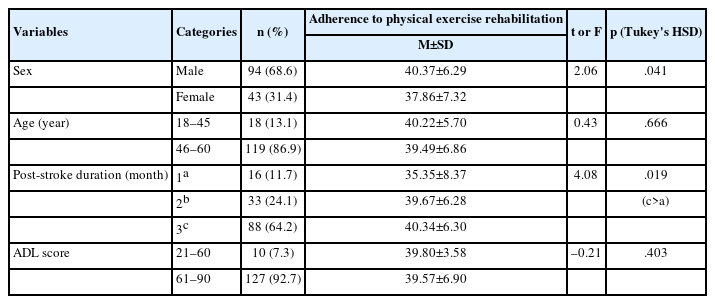
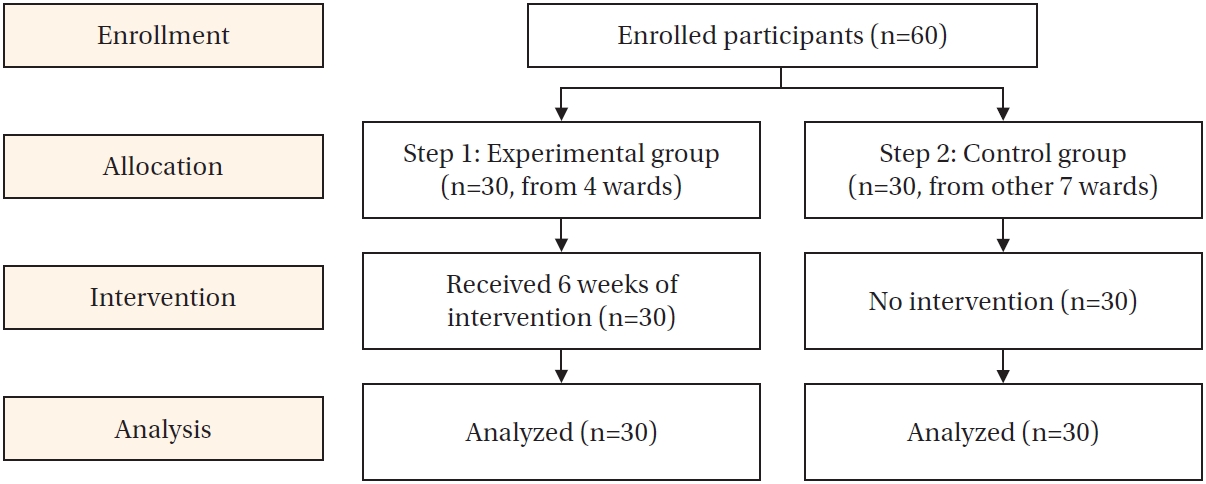

 E-SUBMISSION
 First
First Prev
Prev