Purpose This scoping review identified the core components of nursing competence required for general ward nurses to recognize and manage clinical deterioration and examined how this competence has been conceptualized in previous studies. It also synthesized individual- and system-level factors associated with competence and identified research gaps relevant to nursing education, future research, and patient safety initiatives.
Methods This scoping review was conducted using Arksey and O’Malley’s framework and reported in accordance with the PRISMA-ScR guidelines. Six databases—PubMed, CINAHL, Embase, the Cochrane Library, Scopus, and Web of Science—were searched for studies published between January 2016 and December 2025 using search terms related to clinical deterioration and nursing competence.
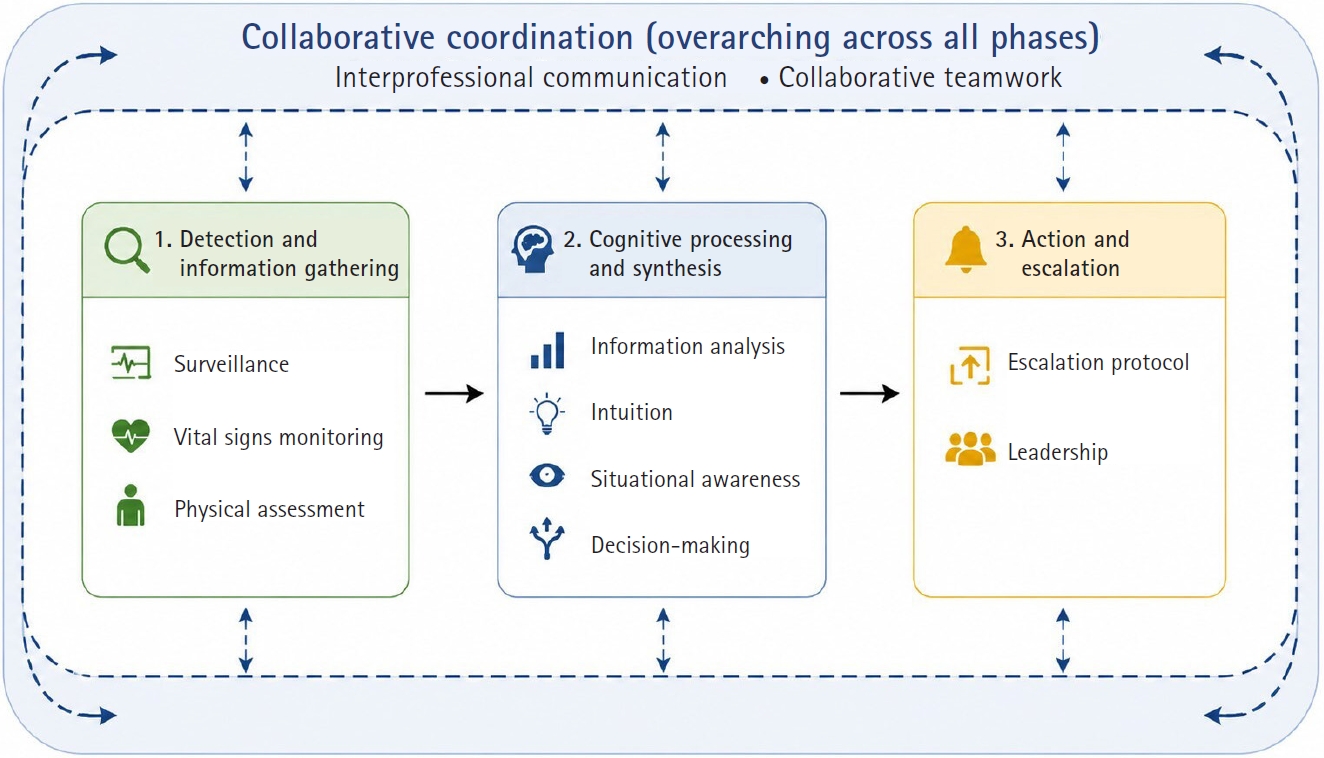
Results Twenty-one studies met the inclusion criteria. The findings were organized into two domains: nursing competencies and factors associated with competence. Technical competencies included physical assessment, vital-sign monitoring, surveillance, information analysis, and application of escalation protocols. Non-technical competencies included situational awareness, clinical decision-making, intuition, leadership, interprofessional communication, and teamwork. Individual-level factors included clinical experience, self-confidence, skill acquisition, and clinical judgment. System-level factors included education and training, relationship-building with physicians, supportive work environments, electronic tools, organizational support, and teamwork culture.
Conclusion Nursing competence in managing clinical deterioration is multidimensional and reflects the interaction of individual capabilities with system-level supports. Future research should develop educational strategies that strengthen both technical and non-technical skills while reinforcing organizational systems that support timely and effective responses to deterioration.
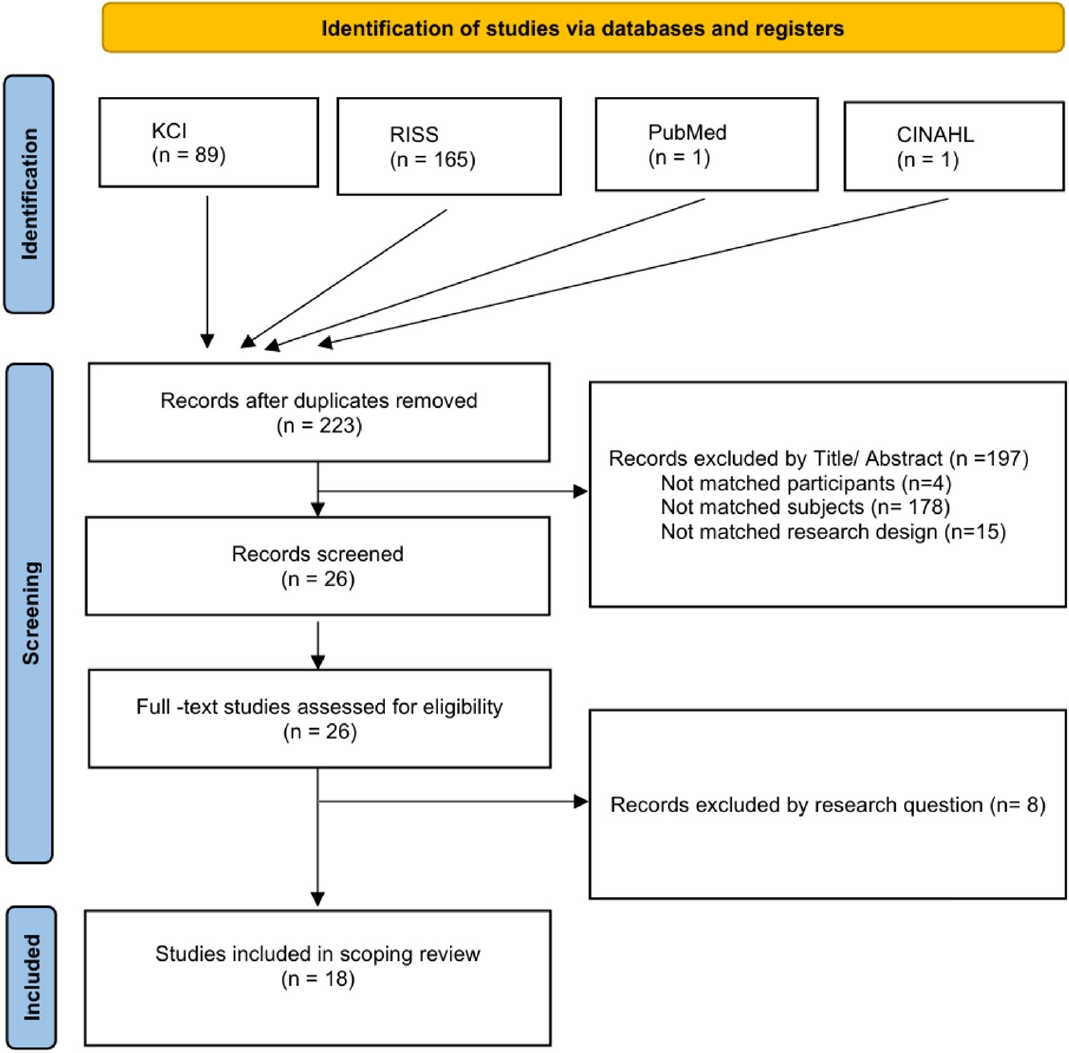
Purpose This scoping review aimed to comprehensively examine environmental and individual factors contributing to clinical practice stress among nursing students in South Korea and to provide evidence-based recommendations for improving the clinical education environment. Methods: A scoping review was conducted following Arksey and O’Malley’s five-stage framework and the PRISMA-ScR guidelines. Relevant studies published between January 2016 and March 2025 were identified through searches of domestic databases (KCI, RISS) and international databases (PubMed, CINAHL) using predefined keywords. A total of 18 studies met the inclusion criteria. Data were extracted using a standardized template and categorized by study characteristics, methodological features, and stress-related variables. Results: Most included studies were conducted after 2022 and involved students from multiple institutions. Environmental stressors identified included poor clinical setting quality, lack of instructor support, interpersonal challenges, limited educational infrastructure, and disruptions caused by new infectious diseases. At the individual-level, resilience, coping strategies, and emotional regulation were the most frequently studied variables. Among these, resilience was consistently reported as a protective factor against stress, while incivility emerged as the most prominent environmental stressor. Multiple regression models indicated that stress-related factors explained between 18.0% and 75.6% of the variance in outcomes. Conclusion: Clinical practice stress in nursing students results from a dynamic interaction between environmental and individual factors. Nursing education programs should incorporate resilience-enhancing interventions, strengthen collaboration with clinical sites, and adopt flexible educational methods, such as simulation-based training, particularly during periods of restricted clinical access.
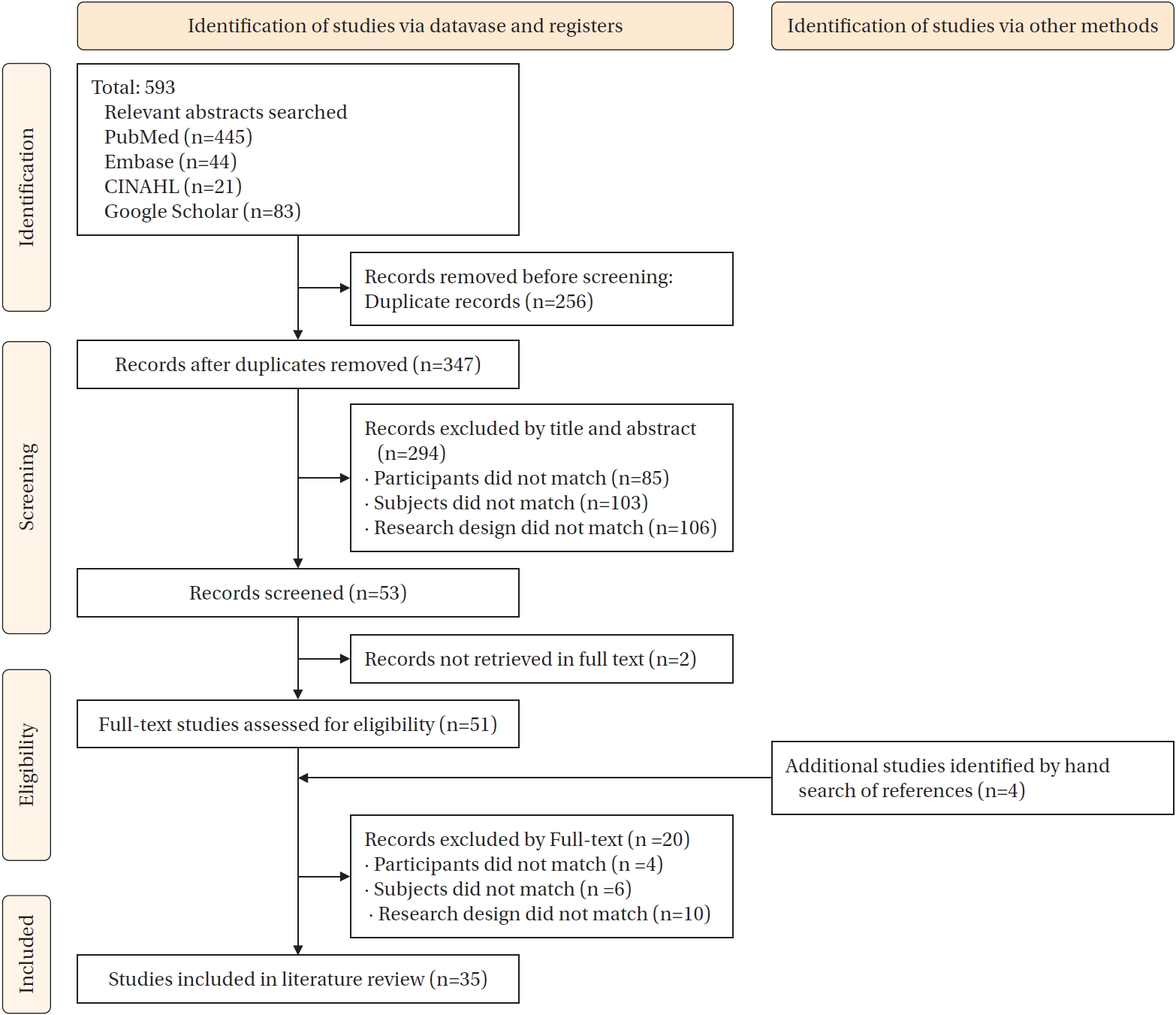
Purpose This study aimed to clarify the concept of nursing competence in coping with clinical deterioration by employing Rodgers’ evolutionary concept analysis, which reflects both sociocultural and temporal dimensions. Methods: A six-step concept analysis was conducted following Rodgers’ methodology. A systematic literature review was performed using PubMed, Embase, CINAHL, and Google Scholar, yielding 35 relevant studies published between 2000 and 2025. Data extraction followed the Joanna Briggs Institute template, and quality was appraised using the STROBE checklist. Results: Four key attributes of nursing competence were identified: technical skills in patient monitoring, situational awareness and clinical intuition, decision-making regarding escalation of care, and communication and teamwork to ensure timely intervention. Antecedents included formal education, clinical experience, and institutional support. Consequences encompassed enhanced patient safety, increased nurse confidence, and greater professional autonomy. The concept was demonstrated to be dynamic and influenced by healthcare policies, such as the implementation of rapid response systems. Conclusion: Nursing competence in managing clinical deterioration is a multidimensional and evolving concept that is essential for patient safety. Clarification of this concept can inform the development of assessment tools and simulation-based education. Further research should explore its application across diverse healthcare contexts and address challenges related to escalation of care.
PURPOSE This study examined the effects of a program designed to prevent ventilator-associated pneumonia (VAP) on VAP rate and endotracheal colonization. The program focused on aspiration prevention and oral care. METHODS A nonequivalent control group post-test only design was utilized. One hundred patients admitted to a medical intensive care unit (MICU) or coronary care unit (CCU) were assigned to either a experimental group (n=50) or a control group (n=50). The participants were selected 48 hours following an endotracheal intubation. VAP prevention program given to the experimental group includes keeping the head of the bed to 30°~45° high, maintaining continuous endotracheal cuff pressure at 25 cm H₂O, performing endotracheal suction before change position, and providing oral care with 0.1% chlorhexidine every four hours. The control group received usual care. Data were analyzed using t-test, x² test, Mantel-Haenszel x² and Cox proportional harzard regression model. RESULTS The experimental group showed a lower VAP rate than the control group although the difference was not statistically significant (x²=0.79, p=.375). The experimental group showed lower colonization in tracheal secretion than the control group (x²=14.59, p<.001). CONCLUSION Results showed that a VAP prevention program is effective in reducing colonization of tracheal secretion. Therefore, VAP prevention programs are recommended as an ICU nursing intervention.
Citations
Citations to this article as recorded by
Effects of Oral Care Using Chlorhexidine Gluconate on Ventilator-associated Pneumonia and Mortality: A Systematic Review and Meta-analysis Nam Young Kim, Seang Ryu, Yun-Hee Kim Korean Journal of Adult Nursing.2019; 31(2): 109. CrossRef



 E-SUBMISSION
 First
First Prev
Prev